Istanbul is the kind of destination where a short walk can take you from an ancient landmark to a busy market, a quiet neighborhood, or a waterfront overlooking two continents. The city brings together layers of Eastern Roman, Byzantine, Ottoman, and modern Turkish history, while its streets remain full of cafés, restaurants, shops, museums, and everyday local life.
For travelers searching for the best things to do in Istanbul, the challenge is not finding something interesting to see. The challenge is deciding where to begin. From Hagia Sophia and the Blue Mosque to the Grand Bazaar, Bosphorus, historic neighborhoods, and Turkish cuisine, Istanbul offers experiences for almost every type of traveler.
This guide covers 25 experiences worth considering, followed by practical ideas for first-time visitors, food lovers, free activities, neighborhoods, seasonal travel, and trip planning.
Why Istanbul Should Be on Your Travel List
Istanbul is a fascinating city where Europe and Asia meet across the Bosphorus.
The strait is more than a beautiful waterway, as ferries also connect different parts of the city. Its historic areas are filled with remarkable landmarks, including Hagia Sophia and the Blue Mosque.
You can also explore Topkapı Palace, the Basilica Cistern, and the famous Grand Bazaar. Beyond the major attractions, neighborhoods such as Galata, Balat, Kadıköy, Beyoğlu, and Ortaköy offer different local experiences. Istanbul is also a great destination for travelers who enjoy discovering new flavors and traditional foods.
Local markets, street food, Turkish coffee, and tea are all part of the city’s culinary culture.With its history, culture, food, architecture, and unique geography, Istanbul offers plenty of reasons to add it to your travel list.
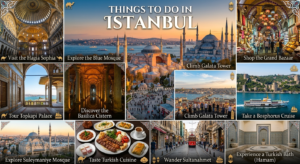
25 Best Things to Do in Istanbul
1. Explore Hagia Sophia
Hagia Sophia is one of Istanbul’s most recognizable historic landmarks. The present structure dates to the reign of the Eastern Roman Emperor Justinian and was completed in the sixth century. Its long history includes periods as a church, mosque, museum, and again a place of worship.
For visitors, the appeal is not only the building’s age but also the way different periods of Istanbul’s history can be seen within its architecture and decoration. Its enormous dome, interior spaces, mosaics, and later Islamic elements reflect the many chapters of the building’s story.
If you want a deeper understanding of the monument, the nearby Hagia Sophia History and Experience Museum presents material covering its long history through exhibitions and audiovisual displays.
2. Visit the Blue Mosque
The Sultan Ahmed Mosque, widely known as the Blue Mosque, is one of the central landmarks of Istanbul’s historic peninsula. It is particularly recognizable for its six minarets, large domes, and interior decoration featuring İznik-style blue tiles.
Because it remains an active place of worship, visiting it is also an opportunity to experience a living religious site rather than simply a historical monument. Visitors should approach the mosque respectfully and follow any visitor instructions in place when they arrive.
Its location near Hagia Sophia makes it easy to include both landmarks in the same sightseeing plan.
3. Discover Topkapı Palace
Topkapı Palace offers a different perspective on Istanbul’s history. Built after the Ottoman conquest of Constantinople, it became the principal palace and administrative center of the Ottoman sultans for centuries. Today, visitors can explore its courtyards, collections, gardens, and palace buildings.
The complex contains collections connected with the Ottoman court, including manuscripts, weapons, decorative objects, and other historical items. The palace’s Harem was associated with the imperial family and forms an important part of the wider complex.
Give yourself enough time here rather than treating Topkapı as a quick photo stop. Its scale and collection of buildings make it one of the places where slowing down can improve the experience.
4. Wander Through the Grand Bazaar
The Grand Bazaar is one of the classic things to do in Istanbul, especially if you enjoy historic markets and traditional crafts. Its history reaches back to the 15th century, and the covered complex developed into a major center of commerce.
Inside, visitors can find shops selling items such as carpets, textiles, jewelry, ceramics, leather goods, lamps, and souvenirs. The maze-like streets are part of the attraction, so you do not need to arrive with a strict shopping list.
Official tourism information also describes bargaining as part of the traditional shopping experience in the bazaar. If you plan to buy something, take your time comparing items instead of making a decision at the first shop you enter.
5. Explore the Spice Bazaar
If the Grand Bazaar is mainly associated with a huge variety of shopping, the Spice Bazaar offers a more food-focused experience. Also known as Mısır Çarşısı, it was built in the 17th century and is located in the Eminönü area.
Inside, you can find spices, teas, dried fruits, nuts, Turkish sweets, coffee, and other food products. The colorful displays and strong aromas make the market especially enjoyable for travelers interested in Turkish cuisine.
The surrounding streets of Eminönü are worth exploring too. The area connects the bazaar experience with cafés, food shops, fish sellers, and other traditional businesses.
6. Take a Bosphorus Cruise
A Bosphorus trip gives you a different way to understand Istanbul. The strait divides the European and Asian sides of the city, and its waterfront is lined with historic buildings, palaces, bridges, mosques, and waterside mansions.
You can choose a sightseeing cruise or use a local ferry as part of your journey around the city. Either way, being on the water changes the perspective completely.
Look toward the shoreline as you travel. Places such as Dolmabahçe Palace, Ortaköy, Rumeli Fortress, and other waterfront landmarks are part of the broader Bosphorus landscape.
7. Visit the Basilica Cistern
The Basilica Cistern is one of the most unusual historical sites in Istanbul because it sits underground. The Eastern Roman-era water reservoir was constructed in the sixth century during the reign of Emperor Justinian I.
Inside, rows of marble columns create a dramatic atmosphere beneath the city. Two famous columns feature carved Medusa heads, adding another layer of mystery to the experience.
The cistern is particularly interesting for travelers who want something different from palaces and mosques. Instead of looking upward at Istanbul’s architecture, you descend below street level and discover another part of the city’s history.
8. Climb Galata Tower
Galata Tower is one of the most recognizable structures in Istanbul’s skyline. The tower stands above the Galata and Beyoğlu area and is known for its panoramic views across the city.
The current tower has a long history of reconstruction and restoration, while the site has been associated with the development of the Galata district over many centuries.
After visiting the tower, do not immediately leave the neighborhood. The surrounding Galata streets are filled with cafés, shops, and historic architecture, making the area enjoyable to explore on foot. Official tourism information also highlights Galata as an important destination for shopping and architecture.
9. Walk Along İstiklal Street
İstiklal Caddesi is one of Istanbul’s best-known pedestrian streets and a lively part of Beyoğlu. It combines shops, cafés, restaurants, cultural venues, and historic buildings.
Walking here gives you a different impression of Istanbul from the historic peninsula. Instead of focusing on ancient monuments, you experience a busy urban area where historic architecture and contemporary city life exist side by side. Go Türkiye describes İstiklal as an important shopping and cultural route in Beyoğlu.
You can also connect an İstiklal walk with Galata and Tünel. The Tünel funicular connects Karaköy and İstiklal Caddesi and provides another historic transportation experience.
10. Explore Sultanahmet Square
Sultanahmet is one of the most useful areas for first-time visitors because several major historical attractions are concentrated nearby. Hagia Sophia, the Blue Mosque, the Basilica Cistern, and Topkapı Palace are all part of the historic peninsula’s main sightseeing landscape.
Rather than rushing from one entrance to another, spend some time walking around the area. The surrounding streets and open spaces help you understand how closely Istanbul’s major monuments are connected.
For first-time visitors with limited time, Sultanahmet is a logical starting point because several of the city’s most important historic experiences can be combined within the same general area.
11. Visit Dolmabahçe Palace
Dolmabahçe Palace sits directly beside the Bosphorus and represents a different style of Ottoman palace architecture from Topkapı. The palace is known for its lavish interiors, grand halls, decorative ceilings, chandeliers, gardens, and waterfront setting.
The palace became associated with the later Ottoman period and is also historically connected with Mustafa Kemal Atatürk, whose room is preserved within the palace.
Its waterfront position makes the visit particularly appealing if you are interested in architecture and Bosphorus scenery. You can combine the palace with a walk around nearby Beşiktaş and the waterfront.
12. Discover the Galata Neighborhood
Galata is more than the tower that carries its name. The surrounding area is a mixture of historic streets, architecture, independent shops, cafés, and contemporary businesses.
The district is particularly enjoyable when explored slowly. Instead of treating it as a single attraction, walk through the streets around Galata Tower and continue toward Karaköy.
Go Türkiye identifies Galata as one of Istanbul’s notable shopping and destination areas, with shops and architectural attractions around the tower.
13. Explore Balat’s Colorful Streets
Balat is a strong choice for travelers who enjoy neighborhood walks and photography. The wider Fener and Balat area is included among Istanbul’s official tourism destinations, and the city’s tourism guidance highlights its colorful streets and combination of food, culture, and shopping.
Rather than visiting with the expectation of checking off a long list of monuments, explore the neighborhood at a relaxed pace. Look at the historic buildings, small shops, cafés, and street scenes.
Balat can also be combined with Fener, creating a neighborhood-focused day away from the busiest landmark areas.
14. Visit the Asian Side of Istanbul
One of the most distinctive things to do in Istanbul is to spend time on the Asian side. The Bosphorus separates the two sides, and ferries make it possible to move between them as part of everyday city travel.
Kadıköy and nearby Moda are among the destinations highlighted by Istanbul’s official tourism resources. Üsküdar and other Asian-side areas also offer waterfront views and access to Bosphorus landmarks.
A visit to the Asian side helps you see that Istanbul is much more than its historic center. It is a large modern city with distinct neighborhoods and different atmospheres.
15. Take a Ferry Across the Bosphorus
You do not necessarily need an expensive sightseeing experience to enjoy the Bosphorus. A local ferry can become an attraction in itself.
The Bosphorus is an important transportation route between Istanbul’s European and Asian sides, and official tourism information specifically highlights the experience of taking a local ferry and reaching another continent within minutes.
For travelers who want to experience the city more like a resident, a ferry ride is an easy way to combine transportation with sightseeing. Keep your camera ready for views of the waterfront, bridges, palaces, and passing boats.
16. Explore Kadıköy Market
Kadıköy is one of the major destinations on Istanbul’s Asian side, and its market area is a good place to experience the city’s food and everyday shopping culture.
The district is included among Istanbul’s official tourism destinations, alongside Moda and other Asian-side neighborhoods.
For a more local-feeling experience, explore the market streets rather than limiting your visit to a single attraction. You can combine the market with a walk around Kadıköy and continue toward Moda if time allows.
17. Experience a Traditional Turkish Bath
A Turkish bath, or hamam, offers a chance to experience a tradition that has been part of Istanbul’s urban culture for centuries. Istanbul’s official tourism site describes historic hammams dating from different periods as important examples of the city’s cultural heritage.
The city has several historic bathhouses. For example, Süleymaniye Hamam was built in 1557 and is associated with the architect Mimar Sinan, while Çemberlitaş Hamam and other historic baths offer their own architectural histories.
If you choose this experience, check the establishment’s current visitor rules and services before going because facilities and booking arrangements can vary.
18. Taste Authentic Turkish Cuisine
Food should be part of any Istanbul itinerary. The city offers everything from traditional market foods and street snacks to restaurants serving regional Turkish dishes and international cuisine.
Official tourism resources highlight Istanbul’s street food, traditional culinary culture, historic markets, and wide restaurant scene.
You can begin with simple foods encountered during sightseeing, then explore local restaurants for a longer meal. Markets such as the Spice Bazaar are especially useful for discovering ingredients, sweets, teas, and other products associated with Turkish food culture.
19. Try Turkish Coffee and Tea
Turkish coffee and tea are closely associated with Istanbul’s food culture and are easy to include in a sightseeing day. Go Türkiye’s Istanbul guides specifically list Turkish coffee and drinking çay among the city’s experiences.
Instead of treating coffee or tea as something to drink quickly between attractions, use it as a reason to slow down. Sit in a café, watch the street, and take a break from sightseeing.
The Spice Bazaar and Eminönü area are also connected with coffee sellers, tea, sweets, and other food businesses.
20. Watch the Sunset Over the Bosphorus
The Bosphorus is one of the easiest places in Istanbul to appreciate the city’s geography. From the waterfront, you can see the relationship between the European and Asian shores, along with bridges, boats, palaces, mosques, and waterside mansions.
For a relaxed evening, choose a public waterfront area or consider a boat trip around sunset. Official tourism material also includes sunset cruises along the Bosphorus among Istanbul bucket-list experiences.
This is one of those things to do in Istanbul that does not require a complicated itinerary. Sometimes the best plan is simply to find a good viewpoint and watch the city change as daylight fades.
21. Visit Istanbul’s Museums
Istanbul has museums covering archaeology, art, history, and different parts of Turkish cultural heritage. The Istanbul Archaeological Museums, for example, consist of several museum sections containing artifacts representing thousands of years of history.
The city’s official tourism resources also list institutions such as İstanbul Modern, the Pera Museum, the Museum of Turkish and Islamic Art, and other cultural destinations.
Choose museums according to your interests rather than trying to visit everything. If ancient history interests you, prioritize archaeology. If contemporary culture appeals to you more, consider the city’s modern art institutions.
22. Relax in a Historic Park or Garden
Istanbul is not only about buildings and busy streets. The city also has parks and green spaces where visitors can take a break from sightseeing.
Gülhane Park is located near the historic peninsula, while other destinations listed by the city’s tourism resources include Yıldız Park, Emirgan Park, Maçka Democracy Park, and several green areas on the Asian side.
A park visit can be especially useful when your itinerary contains several museums or historic buildings. Instead of filling every part of the day with scheduled attractions, leave some room to sit, walk, and enjoy the city’s outdoor spaces.
23. Experience Istanbul’s Nightlife and Evening Atmosphere
Istanbul changes character in the evening. Areas such as Beyoğlu, İstiklal, Galata, Karaköy, and the waterfront offer restaurants, cafés, shops, and entertainment options. The official tourism information identifies Beyoğlu, İstiklal Caddesi, Galata, Karaköy, and other central areas among the city’s destinations.
You do not have to make nightlife the center of your trip. An evening walk, dinner, dessert, or café stop can be enough to experience the city’s nighttime atmosphere.
For younger travelers, families, or anyone who prefers a quieter evening, choosing a public, well-trafficked area and traveling with a trusted adult is a sensible approach.
24. Discover Istanbul’s Hidden Streets and Local Areas
Some of the most interesting things to do in Istanbul happen away from the headline attractions. The city’s official tourism site highlights hidden historical places such as old inns, passages, Turkish baths, and lesser-known architectural sites.
Areas around Eminönü, Galata, Balat, Fener, Karaköy, and other historic neighborhoods can reveal smaller details that are easy to miss when you rush from one major attraction to another.
The key is to explore respectfully. Residential neighborhoods are still people’s homes, so avoid blocking entrances, photographing people without permission, or treating everyday life as a tourist attraction.
25. Enjoy a Scenic Rooftop or Bosphorus View
Istanbul is a city best understood from different heights and perspectives. Galata Tower offers a panoramic viewpoint, while the Bosphorus provides a completely different view from the water.
The waterfront areas around Ortaköy are also known for views combining the mosque, Bosphorus, and bridge in one scene.
If you choose a rooftop café or restaurant, check current access rules and whether the venue welcomes visitors. A good view does not need to be expensive; sometimes a public waterfront is all you need.
Read more: Exploring Brasssmile com: A Detailed Overview of the Platform
Best Things to Do in Istanbul for First-Time Visitors
If this is your first trip, it is tempting to put every famous attraction into a single itinerary. That usually makes the trip feel rushed.
A better approach is to group attractions by area. The historic peninsula can cover Hagia Sophia, the Blue Mosque, Basilica Cistern, Topkapı Palace, and nearby historic streets. Another day can focus on the Grand Bazaar, Spice Bazaar, Galata, Karaköy, and İstiklal. The Bosphorus and Asian side can then form another part of your itinerary.
Must-See Attractions for Your First Trip
For a first visit, consider prioritizing Hagia Sophia, the Blue Mosque, Topkapı Palace, Basilica Cistern, the Grand Bazaar, and a Bosphorus experience. These sites collectively introduce Istanbul’s religious architecture, Ottoman history, underground heritage, shopping culture, and geography.
Experiences You Shouldn’t Miss
Do not limit your trip to museums and monuments. Add a ferry ride, Turkish food, a market visit, a neighborhood walk, and time beside the Bosphorus.
These experiences show another side of Istanbul and help balance structured sightseeing with everyday city life. Official tourism resources similarly present Istanbul as a combination of history, food, shopping, neighborhoods, and leisure experiences.
How to Make the Most of Your First Visit
Avoid planning attractions scattered across the entire city on the same day. Group nearby places together and leave enough time for walking, meals, transportation, and unexpected discoveries.
Public transportation can help connect different parts of Istanbul. Metro Istanbul operates metro, tram, funicular, and cable-car lines as part of the city’s urban rail network.
Best Free Things to Do in Istanbul
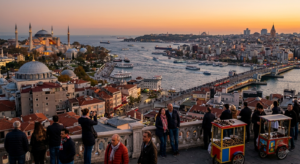
Not every memorable experience requires an entrance ticket. Istanbul has many public areas, neighborhoods, waterfronts, and streets that can be explored without paying for an attraction.
Walk Through Historic Neighborhoods
Walking through areas such as Balat, Fener, Galata, and parts of Beyoğlu allows you to experience architecture, shops, cafés, and street life without building your entire day around ticketed attractions.
Enjoy Bosphorus Views
The waterfront provides some of Istanbul’s most recognizable scenery. You can enjoy views of the strait, bridges, boats, and shoreline architecture from public areas without booking a cruise.
Explore Local Streets and Public Squares
Walking around public streets and squares can be one of the simplest ways to experience the city. İstiklal Caddesi, for example, is a major pedestrian route through Beyoğlu and is surrounded by shops, restaurants, and historic architecture.
Best Things to Do in Istanbul for Food Lovers
Istanbul’s food culture is broad enough to become an important part of your itinerary. The city offers traditional foods, street snacks, markets, cafés, and restaurants ranging from casual establishments to fine dining.
Try Traditional Turkish Breakfast
Start a sightseeing day with a Turkish-style breakfast and include familiar local staples such as bread, cheese, olives, tea, and other breakfast foods. Go Türkiye’s Istanbul bucket list specifically highlights a breakfast with simit and çay as a local experience.
Taste Popular Turkish Street Foods
Street food is an important part of Istanbul’s culinary identity. Depending on where you walk, you may encounter foods such as simit, döner, pide, and other local specialties. Official Istanbul tourism resources highlight the city’s street-food culture and traditional food areas.
Sample Turkish Desserts
Turkish desserts are easy to discover around markets and cafés. Lokum, also called Turkish delight, is particularly associated with the Spice Bazaar and surrounding food shops.
You can also explore Istanbul’s patisseries, which offer both traditional and contemporary sweets alongside tea and coffee.
Visit Local Markets
Markets offer a useful introduction to Turkish ingredients and food culture. The Spice Bazaar is especially known for spices, tea, dried fruit, nuts, coffee, sweets, and other food products.
Best Things to Do in Istanbul at Night
Evenings provide a chance to see Istanbul without spending the entire day inside major attractions.
Walk Around İstiklal Street
İstiklal remains one of the city’s best-known central streets and is surrounded by shops, restaurants, cultural venues, and historic architecture.
Enjoy Evening Views of the Bosphorus
The waterfront takes on a different character after sunset, particularly around bridges and major shoreline landmarks. The official tourism site also highlights the Bosphorus as a major leisure destination.
Explore Istanbul’s Cafés and Restaurants
Food is an easy way to enjoy the city after a day of sightseeing. Istanbul’s tourism resources describe a diverse restaurant and café scene ranging from traditional foods to contemporary dining.
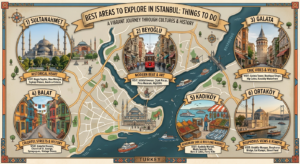
Best Areas to Explore in Things to Do in Istanbul
Sultanahmet
Sultanahmet is the natural choice for travelers interested in Istanbul’s historic monuments. Hagia Sophia, the Blue Mosque, Basilica Cistern, and Topkapı Palace are all part of the area’s major sightseeing attractions.
Beyoğlu
Beyoğlu offers a more modern urban atmosphere, with İstiklal Caddesi, Galata, cultural venues, restaurants, and shopping streets.
Galata
Galata is centered around the famous tower and surrounding historic streets. It is a good area for combining architecture, cafés, shopping, and city views.
Balat
Balat is known for its colorful streets and neighborhood atmosphere. It can be combined with Fener for a slower walking-focused day.
Kadıköy
Kadıköy gives visitors an opportunity to explore Istanbul’s Asian side, with market streets, cafés, food, and connections toward Moda.
Ortaköy
Ortaköy sits beside the Bosphorus and is particularly known for its waterfront views, Ortaköy Mosque, and views toward the Bosphorus bridge.
How Many Days Do You Need in Istanbul?
There is no single perfect number of days because the answer depends on how quickly you like to travel. Istanbul is large, and moving between neighborhoods can take time.
2 Days
Within two days, concentrate on the historic peninsula and one additional area. Prioritize major landmarks such as Hagia Sophia, the Blue Mosque, Basilica Cistern, and Topkapı Palace, then use your remaining time for a market or Bosphorus experience.
3 Days
Three days gives you more flexibility. Add the Grand Bazaar and Spice Bazaar, then spend part of another day around Galata, İstiklal, or the Bosphorus.
4–5 Days
With four or five days, you can slow down and explore neighborhoods rather than moving from attraction to attraction. Consider adding Balat, Kadıköy, Dolmabahçe Palace, museums, and additional Bosphorus time.
1 Week
A week allows you to explore Istanbul at a more relaxed pace. You can divide your time between the historic peninsula, Beyoğlu and Galata, the Asian side, Bosphorus neighborhoods, museums, markets, parks, and food experiences.
Best Time to Visit Best Areas to Explore in Things to Do in Istanbul
Istanbul can be visited throughout the year, but each season creates a different travel experience. Instead of choosing a season only because it is considered “best,” think about the weather, crowds, daylight, and activities you want to enjoy.
Istanbul in Spring
Spring is a good time to focus on walking, neighborhoods, parks, and outdoor sightseeing. The city’s parks and gardens become particularly attractive during the season.
Istanbul in Summer
Summer provides long days for sightseeing and outdoor activities. The Bosphorus, waterfront districts, and evening dining can become especially appealing, although travelers should plan around warmer weather.
Istanbul in Autumn
Autumn can be a comfortable period for combining museums, historic landmarks, neighborhood walks, and outdoor sightseeing.
Istanbul in Winter
Winter brings a different atmosphere, with fewer outdoor hours and more opportunities to focus on museums, palaces, markets, cafés, and food. Istanbul’s official tourism material also highlights winter shopping, culinary experiences, and the city’s historic attractions.
Practical Tips for Visiting Istanbul
A little planning can make your trip considerably easier, especially because Istanbul is a large city with many different districts.
Plan your itinerary geographically. Visiting several attractions in the same area can save time compared with repeatedly crossing the city.
Using Public Transportation
Istanbul has an extensive urban rail network operated by Metro Istanbul, including metro, tram, funicular, and cable-car lines.
Ferries are also important because they connect the European and Asian sides and provide views of the Bosphorus while you travel.
Check current transportation information before traveling because routes, schedules, and operating conditions can change.
Planning Your Sightseeing
Start each day with a realistic list instead of trying to visit every attraction. Major sites such as Topkapı Palace can require substantial time, while walking between nearby attractions can also become part of the experience.
It is also worth checking official attraction information before visiting, particularly for current opening arrangements, ticketing, religious-site access, and special closures.
What to Wear at Religious Sites
When visiting active mosques, dress respectfully and follow the site’s current visitor rules. Religious spaces are places of worship, so visitors should be prepared to follow instructions about appropriate clothing, footwear, photography, and visiting times.
Staying Safe and Respecting Local Customs
Use normal travel awareness in busy markets, stations, and crowded tourist areas. Keep personal belongings secure and avoid displaying valuables unnecessarily.
Most importantly, remember that Istanbul’s neighborhoods are living communities. Be respectful when photographing residents, homes, shops, and religious spaces, and follow local rules wherever you visit.
Final Thoughts on the Best Things to Do in Istanbul
The best things to do in Istanbul are not limited to a checklist of famous landmarks. The city’s real character comes from the way history, food, neighborhoods, architecture, transportation, and everyday life overlap.
You can begin the morning among centuries-old monuments, spend the afternoon wandering through a historic market, cross the Bosphorus by ferry, and finish the day enjoying Turkish food beside the water. That combination is what makes Istanbul such a memorable destination.
Whether you have two days or a full week, build your itinerary around a mixture of major sights and slower experiences. Leave room for a neighborhood walk, a market visit, a museum, a ferry ride, and time simply enjoying the city. That balance can turn a sightseeing trip into a much more personal Istanbul experience.
FAQs About Things to Do in Istanbul
What are the best things to do in Istanbul?
Visit Hagia Sophia, the Blue Mosque, Topkapı Palace, Basilica Cistern, the Grand Bazaar, and the Bosphorus.
How many days are enough to visit Istanbul?
Two to three days are enough for major attractions, while four to five days allow more time to explore.
What is Istanbul famous for?
Istanbul is famous for its historic landmarks, Bosphorus, bazaars, mosques, palaces, food, and unique location between Europe and Asia.
What can you do in Istanbul for free?
Explore historic neighborhoods, walk along the waterfront, visit public squares, and enjoy the city’s everyday atmosphere.
Is Istanbul good for a first-time visit?
Yes. Istanbul offers history, culture, food, markets, museums, neighborhoods, and memorable Bosphorus experiences.
What should you not miss in Istanbul?
Don’t miss Hagia Sophia, the Blue Mosque, Topkapı Palace, Basilica Cistern, the Grand Bazaar, and a Bosphorus experience.